Traditionis Custodes in Kentucky: The Liturgical Wound Does Not Heal
RomeMembers only Jun 23, 20264Add to bookmarks
The bishop of Owensboro has just banned the Mass according to the 1962 Missal in his diocese. Meanwhile, the Society of Saint Pius X remains waiting for a gesture from Rome as the window closes with the passage of time.
Context
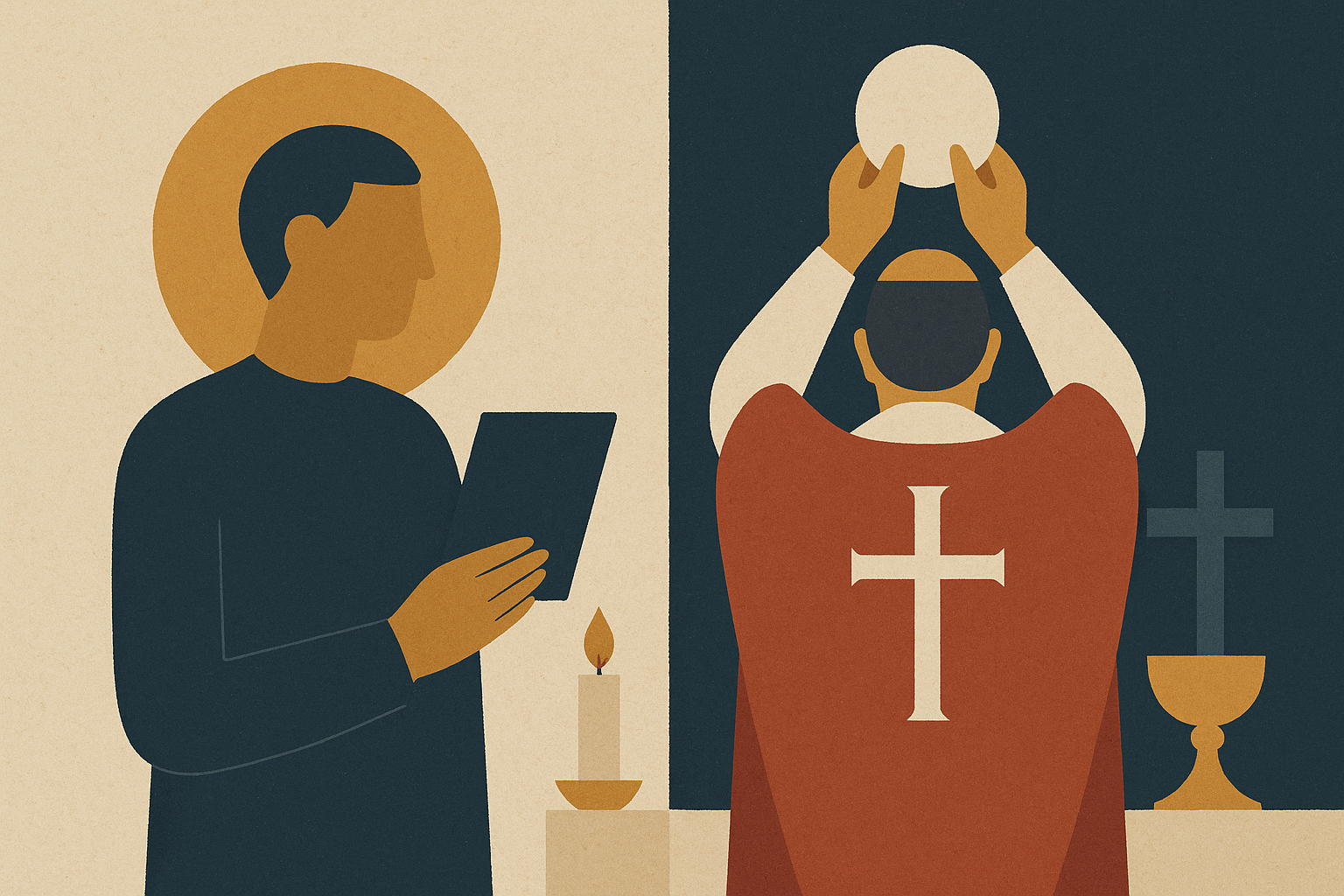
Bishop William F. Medley of Owensboro (Kentucky) has ordered Father David Kennedy to cease celebrating Mass according to the 1962 Roman Missal. This decision falls under the motu proprio Traditionis Custodes, promulgated by Francis on July 16, 2021, which restricted the celebration of the extraordinary form of the Roman Rite and left residual authorizations to the discretion of each diocesan bishop.
The Facts
At the same time, Le Salon Beige published a series of ten questions addressed to priests of the Society of Saint Pius X. The central question concerns the SSPX’s position on post-conciliar sacraments: does the Society still uphold the judgment made by Archbishop Lefebvre during the episcopal consecrations of June 30, 1988, that the new sacraments "are all doubtful"?
In circles close to the Rome-SSPX dialogue, the possibility of a papal gesture before July 1 is being discussed. Rome has not officially confirmed the existence of such an initiative.
Doctrinal Analysis
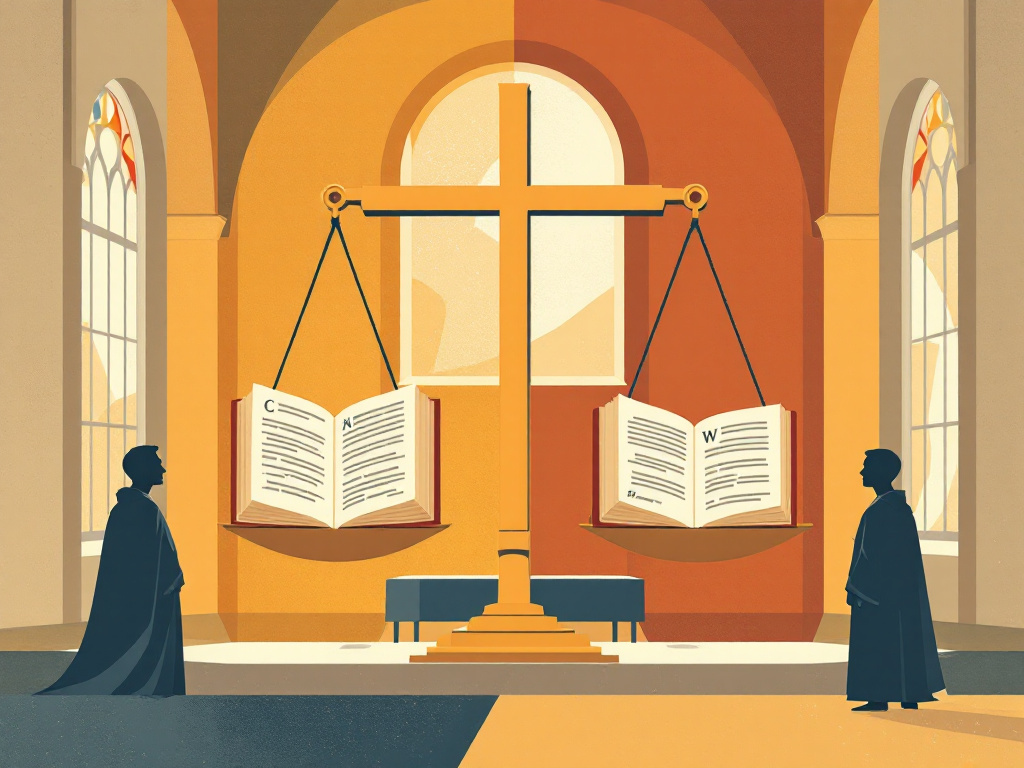
Traditionis Custodes (2021) presents itself as an act of pastoral governance, not as a doctrinal condemnation of the earlier rite. Summorum Pontificum (Benedict XVI, 2007) had affirmed that the extraordinary form of the Roman Rite "had never been abolished"—and, implicitly, could not be abolished by mere administrative decision. These two texts do not easily reconcile in terms of canon law and liturgical theology.
The question raised by the Kentucky case deserves to be asked clearly: can a bishop prohibit what a Pope had declared impossible to prohibit? The answer depends on the interpretation of the legal status of Traditionis Custodes in relation to Summorum Pontificum. Serious canonists on both sides maintain that the question remains open.
Sacrosanctum Concilium (n. 23) established the principle: "innovations shall only be made if the good of the Church genuinely and certainly requires them." Sixty years later, the question of whether restricting the extraordinary form has produced the hoped-for unity remains unanswered.
Stakes for the Church and the Faithful
Two simultaneous and contradictory phenomena are at work. On one hand, bishops are applying Traditionis Custodes with a severity not mandated by the text—the motu proprio allows for diocesan discretion, which some prelates interpret in only one way. On the other, traditionalist circles are openly debating their theological stance toward post-conciliar Tradition.
If SSPX priests accept that sacraments celebrated according to the liturgical books of Paul VI are valid and licit—which Rome consistently affirms—canonical reconciliation becomes theologically possible. If some maintain the doubt expressed by Archbishop Lefebvre, the obstacle remains major, and discussions will remain deadlocked.
Critical Reading and Blind Spots
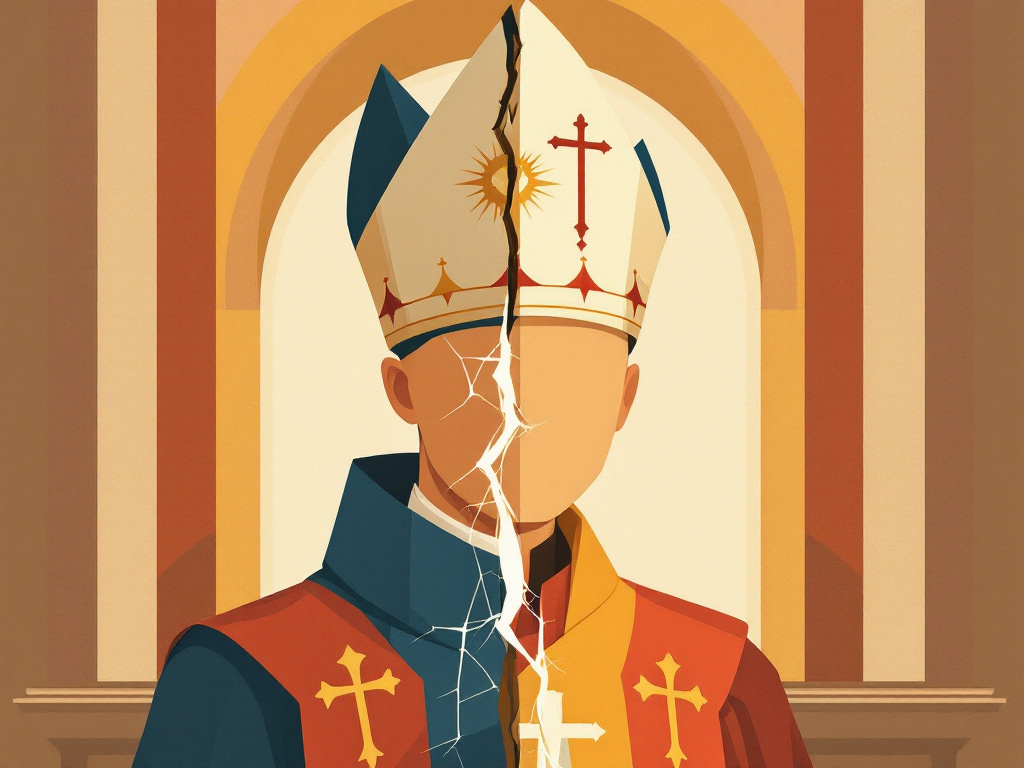
The dossier reveals a tension in post-conciliar Roman governance: Benedict XVI had attempted to resolve the liturgical crisis through the hermeneutic of continuity and the expansion of the extraordinary form. Francis reopened the wound through administrative restriction. Neither approach has resolved the underlying issue.
Continued restriction, enforced by some bishops with greater vigor than Rome requires, deepens mistrust without fostering unity. Liturgical unity cannot be decreed; it is built through mutual trust.
For Reflection and Action
The liturgical crisis will not be resolved by further prohibitions or by the capitulation of one side or the other. It calls for a courageous act of governance that acknowledges, in precise terms, that the two forms of the Roman Rite can coexist peacefully and fruitfully, without this coexistence being interpreted as a repudiation of the Council’s liturgical reform.
On June 30, 2026, an anniversary will be added to the calendar: thirty-eight years after Archbishop Lefebvre’s episcopal consecrations, Catholics attentive to the Church’s unity will have their eyes on this still-open wound.
The date on which Archbishop Lefebvre proceeded with episcopal consecrations without pontifical mandate, resulting in excommunications—lifted in 2009 by Benedict XVI. June 30, 2026, will also be the day of the vote in the National Assembly on assisted dying.
Content reserved for members
Create a free account to access all our content and the weekly review.
Comments (4)
Sign in to join the discussion.

J.P.R. Seed Benefactor25 Jun 2026 · 12:01
C’est dur de voir disparaître une messe qui a porté tant de familles. On a l’impression qu’on efface un peu de notre histoire.

passionné_eco Seed23 Jun 2026 · 13:40
C’est vraiment douloureux de voir des fidèles privés de la messe qui les fait vivre, alors qu’on nous parle tant de miséricorde.

Clémence R. Seed23 Jun 2026 · 12:24
C’est triste de voir un évêque supprimer la messe de toujours sous prétexte d’unité. Comme si forcer tout le monde à faire pareil faisait une vraie communion…

sophie.b Seed23 Jun 2026 · 11:46
C’est vraiment décourageant, cette décision. On dirait que plus on essaie de rassembler, plus on divise.
Story timeline
FSSPX : Léon XIV lance un dernier appel avant le 1er juillet
- 1FSSPX : Léon XIV lance un dernier appel avant le 1er juillet23/06/2026
- 2Traditionis Custodes au Kentucky : la blessure liturgique ne se referme pas23/06/2026
- 3FSSPX : la dernière ligne droite avant le 1er juillet23/06/2026
- 4L'homélie n'est pas laïque : Rome ferme la porte au Chemin synodal allemand23/06/2026
- 5Rome ferme la porte de l'homélie : la liturgie n'est pas une tribune ouverte24/06/2026
- 6Detroit : 90 paroisses sans messe dominicale, et l'archevêque supprime la messe traditionnelle24/06/2026
- 7L'homélie demeure réservée aux ministres ordonnés : Rome ferme définitivement la porte au Chemin synodal allemand24/06/2026
- 8FSSPX : une Déclaration de foi à Léon XIV, et la validité de la menace en question24/06/2026
- 9La FSSPX publie une profession de foi catholique : un geste de clarté avant le 1er juillet25/06/2026
- 10L'orientation de la messe : une question liturgique que Léon XIV n'a pas encore tranchée25/06/2026
- 11Père Nicola Bux au Pape : « Faites tout votre possible pour surmonter les différends avec la FSSPX »25/06/2026
- 12La menace d'excommunication du Cardinal Fernández contre la FSSPX est-elle canoniquement fondée ?25/06/2026
- 13FSSPX : un prêtre conteste la validité canonique de la menace d'excommunication du cardinal Fernandez25/06/2026
- 14FSSPX : une déclaration de foi adressée au Pape et aux cardinaux avant le consistoire25/06/2026
- 15Consistoire du 30 juin : les absences des cardinaux Zen, Erdő et Eijk, un signal que Rome ne peut ignorer25/06/2026
- 16Lettre ouverte à la FSSPX : des théologiens franciscains appellent au retour à l'unité26/06/2026
- 17Consistoire du 30 juin : l'absence de Zen, Erdo et Eijk, un signal que Rome ne peut minimiser26/06/2026
- 18Consistoire du 30 juin : Léon XIV ouvre la première session face à un monde blessé26/06/2026
- 19L'Église synodale sélectionne ses futurs prêtres : les jeunes hommes de Tradition sont-ils déjà exclus ?26/06/2026
- 20Sacres du 1er juillet : entre l'intransigeance canonique et la "souplesse" présumée du Vatican27/06/2026
- 21Consistoire J2 : Léon XIV et les cardinaux appellent à une "civilisation de l'amour" face aux blessures du monde27/06/2026
- 22Sacres du 1er juillet : le cardinal Müller trace la ligne entre tradition et rupture28/06/2026
- 23Léon XIV clôt le consistoire : synodalité, famille et appel universel à la paix28/06/2026
- 24Grech : « L'application du Synode ne sera pas une simple exécution de décisions »28/06/2026
- 25La veille des sacres : Müller, Conley et Léon XIV tracent la ligne29/06/2026
- 26À la veille du 1er juillet : dix prêtres ordonnés, Müller demande une commission - le compte à rebours FSSPX29/06/2026
- 27À la veille des sacres : la Messe traditionnelle, voie de réconciliation ?29/06/2026
- 28Burke tranche avant les sacres : « La situation actuelle ne constitue pas un état de nécessité »30/06/2026
- 29Léon XIV réforme le Vicariat de Rome : la synodalité au coeur de l'Église locale30/06/2026
- 30À la veille des sacres d'Écône : la lettre du Pape, Viganò et la clôture canonique de Burke30/06/2026
- 31Sacres d'Écône : J-0, Pagliarani demande du temps, Viganò dénonce un « jeu truqué »30/06/2026
- 32Sacres d'Ecône : le schisme consommé, Rome face à l'heure de vérité01/07/2026
- 33Après Écône : la FSSPX tend la main, Rome garde le silence01/07/2026