Sudan: El Obeid under siege, Christians on the brink of the abyss
MondeMembers only Jun 24, 20262Add to bookmarks
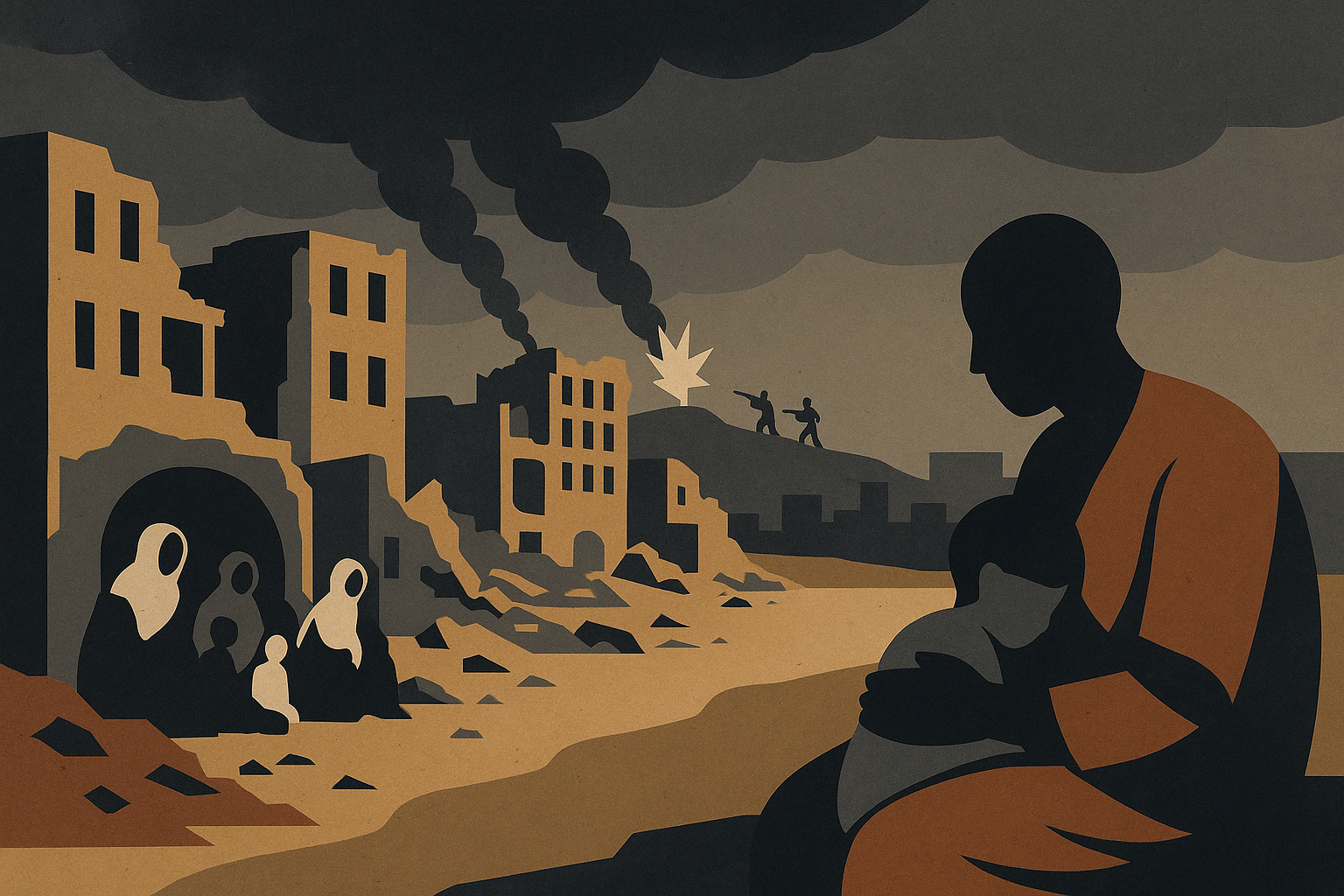
Several international organizations are warning of a risk of mass atrocities around the city of El Obeid in Sudan's Kordofan. The scenario of El-Fasher, where massacres were committed in the autumn of 2025, could repeat itself. Pierre-Antoine Vasseur reports on this global silence over a Christian catastrophe. [ENCADRE titre="Key figures"] [ENCADRE contenu="Over 10,000 displaced, hundreds of deaths, and entire villages burned in the region since the start of the conflict."] [ENCADRE titre="International response"] [ENCADRE contenu="The UN and NGOs call for urgent intervention, but the international community remains largely inactive."]
Context
We had been following, since the opening of this narrative thread, the civil war in Sudan between the regular army and the Rapid Support Forces (RSF). The massacres in El-Fasher, in Darfur, in the autumn of 2025, had sparked brief international outrage before fading into oblivion. In June 2026, a new city is in danger: El Obeid, the capital of North Kordofan.
The Facts
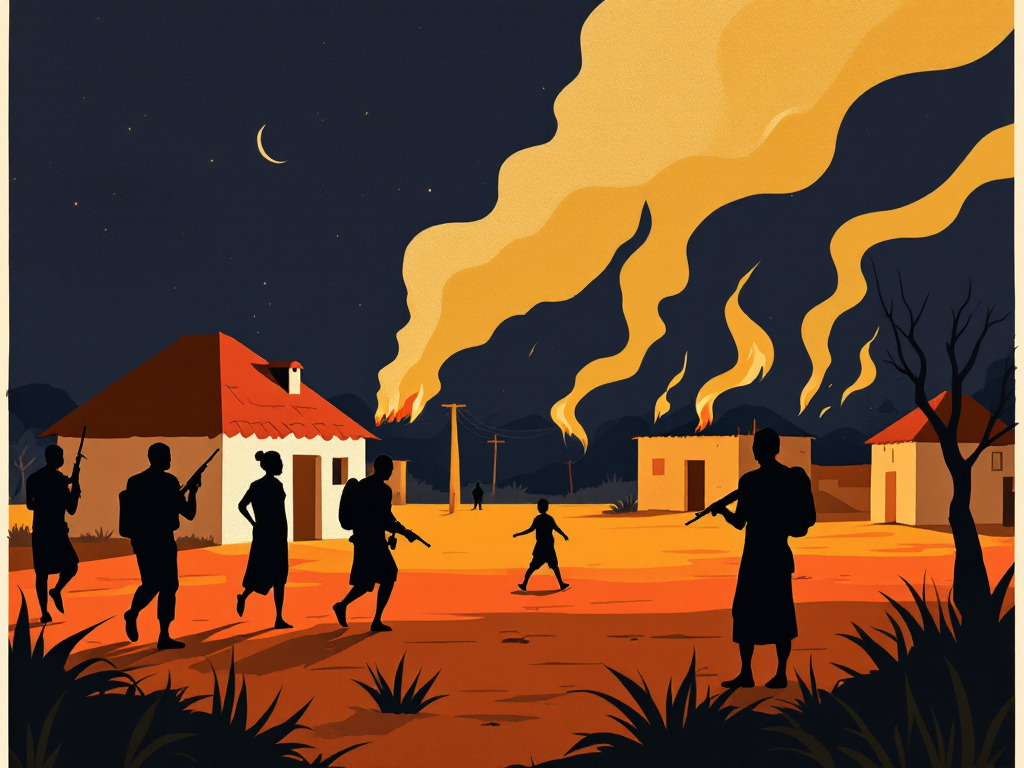
According to La Croix (23 June 2026), several international organizations are warning of a risk of "mass atrocities" around El Obeid, a city besieged by the RSF. The parallel with El-Fasher is explicitly drawn. Fighting between the Sudanese army and the RSF has been ongoing since April 2023, over three years of civil war.
El Obeid is a city with a strong Christian presence. The Catholic diocese of El Obeid, a suffragan of Khartoum, has its seat there. Communities of Catholic, Anglican, and Evangelical faithful have lived there for decades. If the RSF take the city as they took El-Fasher, violence against civilian populations—and particularly religious minorities—is a documented probability.
Aid to the Church in Need (ACN) and Open Doors have regularly reported on the situation of Sudanese Christians since the beginning of the conflict. Sudan ranks among the most dangerous countries in the world for Christians according to the Open Doors World Watch List 2025 (6th position).
Doctrinal Analysis
The suffering Church is not a metaphor: it has names, addresses, bishops who cannot leave their dioceses. The Church of El Obeid is one of these communities. Turning our backs on it in the name of the media frenzy over other conflicts would be a mistake.
The Second Vatican Council reminds us that "the joys and the hopes, the griefs and the anxieties of the men of this age, especially those who are poor or in any way afflicted, these are the joys and hopes, the griefs and anxieties of the followers of Christ" (Gaudium et Spes, n. 1). The Christians of El Obeid are these poor who suffer. Their media invisibility does not make them any less real.
Stakes for the Church and the Faithful
The war in Sudan is producing one of the world's most severe humanitarian crises, according to the United Nations: millions displaced, famines, destruction. Christians are not the only victims—the vast majority of victims are Muslim—but they constitute a particularly exposed minority, without specific international protection.
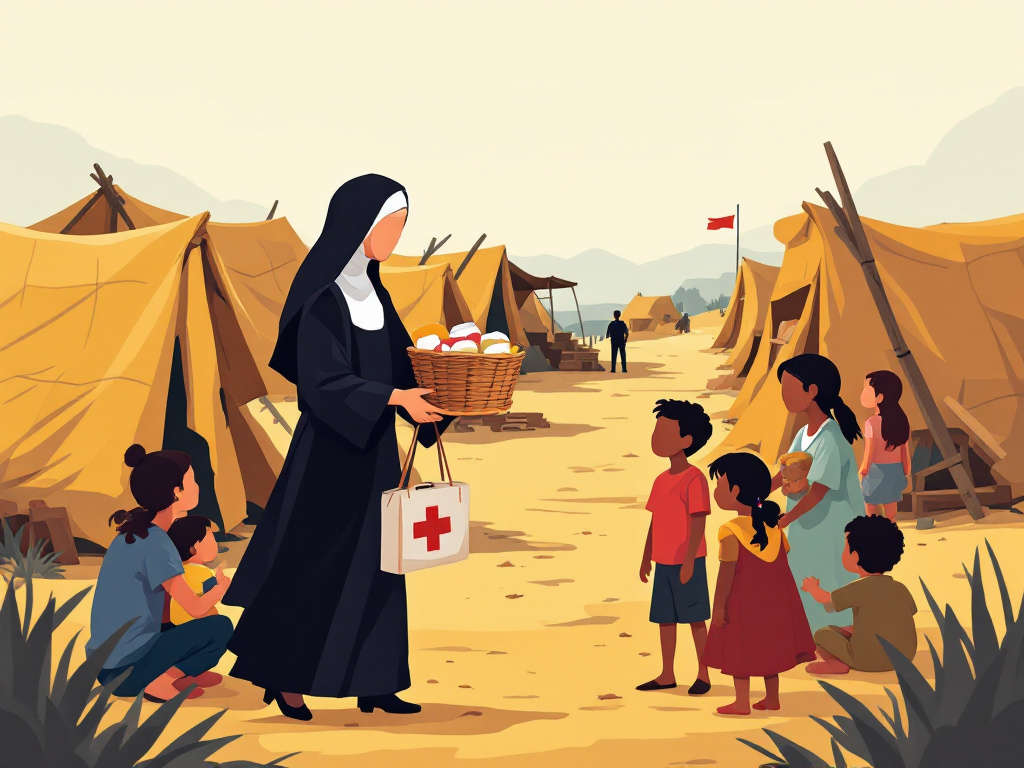
French Catholics can take action. ACN funds aid projects for Christian communities in Sudan. Knowing the name of El Obeid, knowing that a Catholic bishop is resisting there, praying for these faithful: this is already refusing to forget.
Critical Reading and Blind Spots
The international community reacted too late to El-Fasher. No protection mechanism was put in place. Sanctions against the RSF remain insufficient. The African Union is paralyzed. The UN is blocked.
This is not fate: it is the result of political choices. Sudan does not produce enough oil to mobilize the great powers. Its Christians are not the subject of media lobbying. They die in indifference.
To Reflect and Act
"Never minimize" persecution: this is the rule we have set for ourselves. El Obeid deserves to be on our lips and in our prayers. The universal Church has no borders. What happens to the Christians of Kordofan happens to us.
6th country in the world for the persecution of Christians according to the Open Doors World Watch List 2025. Over 3 years of civil war between the Sudanese army and the Rapid Support Forces. El Obeid: seat of the Catholic diocese of North Kordofan.
Content reserved for members
Create a free account to access all our content and the weekly review.

Comments (2)
Sign in to join the discussion.

C.M. 26 Jun 2026 · 10:37
C’est terrible, on prie pour eux mais on se demande si ça change quelque chose. Pourquoi personne ne fait vraiment pression ?

CurioBretagne 25 Jun 2026 · 20:51
C’est toujours les mêmes qui paient. On prie, mais ça change quoi, au fond ?
Story timeline
Soudan : la guerre civile et le sort des chrétiens
- 1Soudan : le siège d'El Obeid, une menace d'atrocités de masse contre les civils et les chrétiens23/06/2026
- 2Soudan : El Obeid assiégée, les chrétiens au bord de l'abîme24/06/2026