Ukraine: June's Counter-Initiative Against Peace Rhetoric
MondeMembers only Jun 24, 20262Add to bookmarks

Since early June 2026, Kyiv has multiplied spectacular operations: strikes on Moscow, reclaimed territories, 300 drones intercepted in Russia. Is Ukraine regaining the initiative? Pierre-Antoine Vasseur analyzes this military sequence and its implications for Ukrainian Christians and diplomatic negotiations.
Context
In our previous editions, we had followed the tensions between the diplomatic summits of the G7 and the reality of bombings that continued to strike Ukrainian cities. The week of June 23, 2026, marks an operational turning point: for the first time in months, Kyiv seems to be regaining military initiative, while the humanitarian situation remains critical for civilians and Christian communities.
The Facts
According to Le Figaro (June 24, 2026), since early June 2026, Ukraine has multiplied spectacular operations: strikes on Moscow, reconquest of territories. For the first time, analysts say, Kyiv is regaining ground against Kremlin forces after many months. In the Russian region of Belgorod, one man died in a Ukrainian drone attack (La Croix, June 24, 2026). On the Ukrainian side, a 56-year-old woman was killed in a Russian strike in Kharkiv.
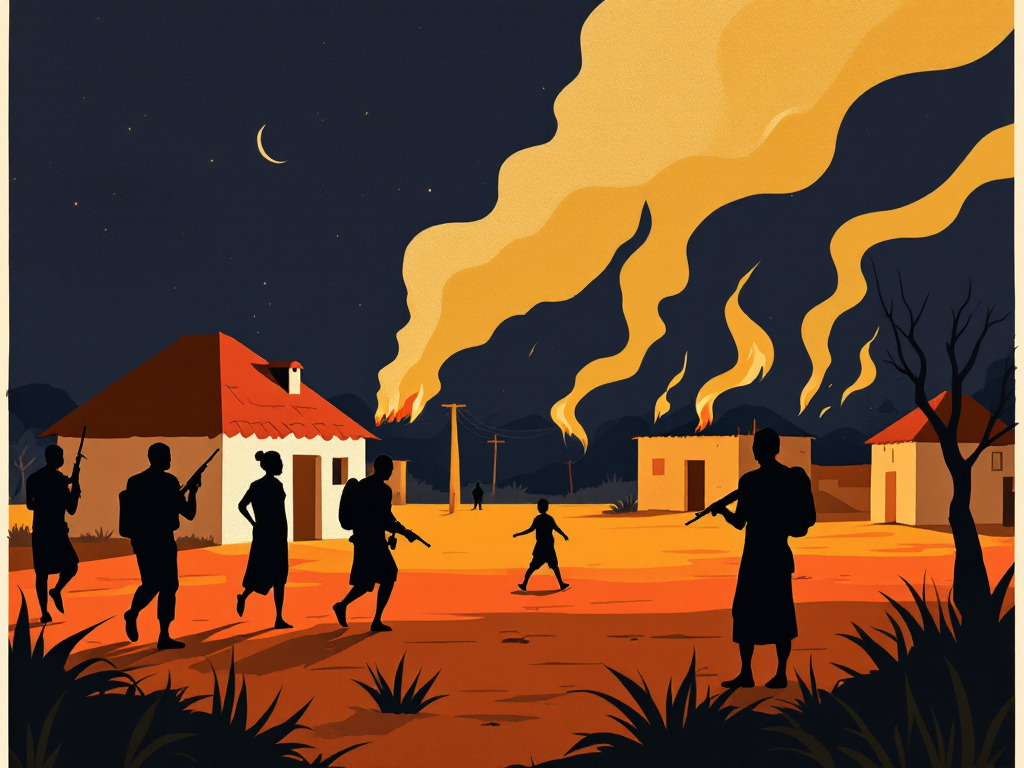
These military events occur in a diplomatic context that remains deadlocked. International discussions struggle to produce a credible ceasefire framework. Bombings on Ukrainian cities continue. Kharkiv, Ukraine’s second-largest city, remains on the front line.
Doctrinal Analysis
The Church cannot remain silent in the face of a war that has lasted for more than four years and has already caused hundreds of thousands of deaths. John Paul II reminded the Diplomatic Corps on January 13, 2003, that “war is always a defeat for humanity.” This is not naive pacifism: it is the recognition that even just war—and the conditions for just war remain debated in this conflict—leaves irreparable destruction.
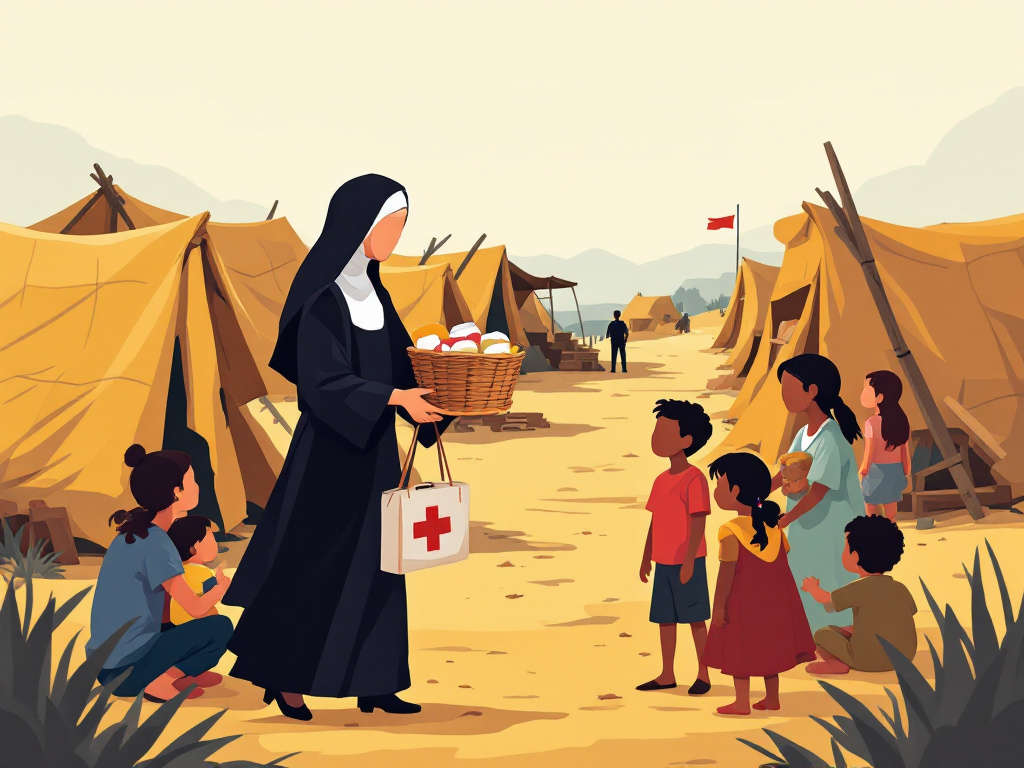
Christian communities in Ukraine—Latin-rite Catholics, Greek-Ukrainian Catholics, Orthodox of the Kyiv Patriarchate—have been on the front lines since the beginning of the conflict. Places of worship have been destroyed, priests killed, and believers forced into exile. Aide à l'Église en Détresse (AED) has documented these destructions. They are brothers in faith.
Challenges for the Church and the Faithful
The Holy See maintains its diplomatic channels with both Moscow and Kyiv. Rome’s role in this conflict is delicate: not to endorse Russian aggression, nor to close the doors to future mediation. This dual imperative is difficult to uphold. It deserves to be understood by the faithful, who sometimes question the Vatican’s silences or cautious formulations.
For French Catholics, concretely supporting Ukrainian Christian communities—through AED, Caritas, or twin parishes—is a form of universal Church lived in trial.
Critical Perspective and Blind Spots
Ukraine’s regained initiative is real. But it must not obscure structural limitations. Ukraine remains dependent on Western military aid. Popular fatigue in Europe and the United States is a political variable Kyiv cannot control. And every spectacular strike, while militarily relevant, also fuels Russian propaganda about Ukrainian aggression.
The main blind spot remains the humanitarian situation in occupied territories. Civilian populations, including Christians, have lived under occupation for two years or more. Their voices are rarely heard.
To Reflect and Act
A just peace—not capitulation—remains the goal the Church defends. This distinction is essential. Praying for peace does not mean accepting any “peace.” Justice is a condition for lasting peace, as Benedict XVI reminded in Caritas in Veritate (n. 35).
300 drones intercepted in Russia in a single night. One death in Belgorod (Russia), one death in Kharkiv (Ukraine) during the latest exchange of strikes. This is the first time in months that Kyiv has regained territory.
Content reserved for members
Create a free account to access all our content and the weekly review.

Comments (2)
Sign in to join the discussion.

C.M. 25 Jun 2026 · 16:15
Ils avancent, mais les images des villes en ruines me hantent. On prie pour que ça s’arrête vite.

sophie.b 25 Jun 2026 · 15:40
C’est vrai que c’est impressionnant ces frappes, mais moi ce qui me glace, c’est de penser aux enfants qui entendent les sirènes tous les soirs.
Story timeline
Ukraine et G7 : quand la diplomatie bute sur la réalité des bombardements
- 1Ukraine et G7 : quand la diplomatie bute sur la réalité des bombardements23/06/2026
- 2Ukraine : la contre-initiative de juin face à la rhétorique de paix24/06/2026