Grech: "The implementation of the Synod will not be a mere execution of decisions"
Rome Jun 28, 20266Add to bookmarks

Cardinal Grech dispels a misunderstanding or perpetuates it: the implementation phase of the Synod on Synodality will not be a mechanical execution of its conclusions. The statement raises as many questions as it resolves.
The Fact
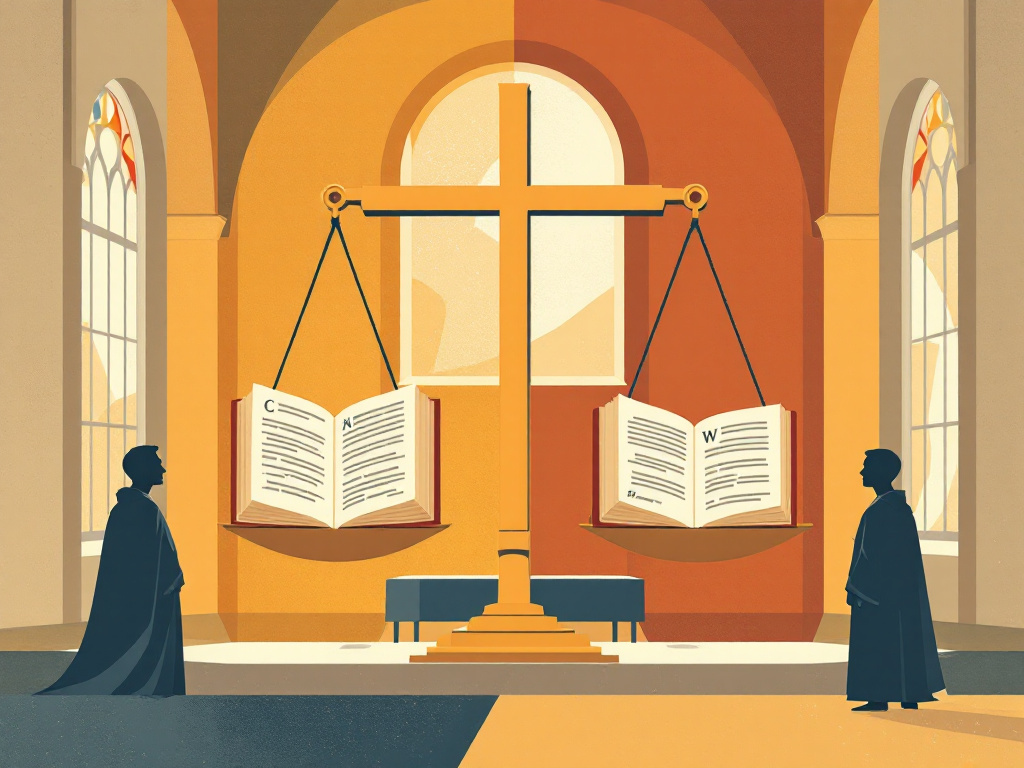
Cardinal Mario Grech, Secretary General of the Synod on Synodality, clarified that the "implementation phase" of the Synod's conclusions "will not be a mere execution of decisions." This statement is surprising. If the conclusions of a Synod are not to be "executed," what is their normative status? The question is not academic: it touches on the very nature of magisterial authority in the Church.
Our Interpretation
Grech seems to distinguish between a living reception of the Synod and a bureaucratic application. This distinction can be read in two ways. First, it is reassuring: the Synod is not an ecclesial parliament whose votes would mechanically impose themselves on the universal Church. However, it also opens the way for case-by-case progressive interpretations, without the safeguard of faithful execution of the approved text. The distinction between the ordinary Magisterium and the Pope's personal opinion, which we recalled during the consistory, takes on its full significance here. We had noted that Pope Francis had asked the cardinals for "strong, explicit, and public" support for synodality: the institutional pressure is real. Is Grech tempering progressive expectations, or preparing the next stage of ongoing reform?
To Ponder
Saint Vincent of Lérins formulated the criterion for sound doctrinal development: "ut in eodem dogmate, eodem sensu eademque sententia"—in the same dogma, the same meaning, and the same understanding (Commonitorium, II, 3). The implementation of the Synod will be revealing: a homogeneous development of the revealed deposit, or a silent mutation under the guise of discernment?
What authority do the Synod's conclusions hold if they are not to be 'executed'?
Comments (6)
Sign in to join the discussion.

Marie47 29 Jun 2026 · 12:56
Enfin une parole qui sonne juste : l'Église n'est pas une administration, merci d'avoir rappelé ça.

le_veilleur 29 Jun 2026 · 05:18
Deux ans de discussions pour en arriver là… Si c’est pas pour appliquer ce qui a été décidé, on se demande à quoi ça sert. L’Esprit Saint était où pendant tout ce temps ?

sophie.b 29 Jun 2026 · 05:05
Si on dit que ce n’est pas une exécution mécanique, comment on fait pour éviter que chacun tire le synode à sa sauce ? L’unité, c’est bien, mais sans repères clairs, ça part dans tous les sens.

Léa75 29 Jun 2026 · 04:43
Cette formule me laisse perplexe : si on ne doit pas « exécuter » les décisions, à quoi servent-elles ? J’ai peur qu’on tourne en rond au lieu d’avancer.

Ph. Renard 29 Jun 2026 · 04:13
Si on ne sait même pas si les conclusions du Synode s’appliquent vraiment, comment éviter que chaque diocèse fasse ce qu’il veut ?
Bénédicte77 29 Jun 2026 · 07:21
C’est exactement ça : si Rome ne donne pas des repères précis, chaque évêque va y aller à sa sauce. Et après, on s’étonne que les fidèles soient perdus.

LecteurDuDimanche 28 Jun 2026 · 15:06
Franchement, si on vote pour des conclusions qui ne seront pas appliquées, c’est quoi l’intérêt ? On nous demande de faire confiance, mais sans savoir ce qu’on en fera.
Story timeline
FSSPX : Léon XIV lance un dernier appel avant le 1er juillet
- 1FSSPX : Léon XIV lance un dernier appel avant le 1er juillet23/06/2026
- 2Traditionis Custodes au Kentucky : la blessure liturgique ne se referme pas23/06/2026
- 3FSSPX : la dernière ligne droite avant le 1er juillet23/06/2026
- 4L'homélie n'est pas laïque : Rome ferme la porte au Chemin synodal allemand23/06/2026
- 5Rome ferme la porte de l'homélie : la liturgie n'est pas une tribune ouverte24/06/2026
- 6Detroit : 90 paroisses sans messe dominicale, et l'archevêque supprime la messe traditionnelle24/06/2026
- 7L'homélie demeure réservée aux ministres ordonnés : Rome ferme définitivement la porte au Chemin synodal allemand24/06/2026
- 8FSSPX : une Déclaration de foi à Léon XIV, et la validité de la menace en question24/06/2026
- 9La FSSPX publie une profession de foi catholique : un geste de clarté avant le 1er juillet25/06/2026
- 10L'orientation de la messe : une question liturgique que Léon XIV n'a pas encore tranchée25/06/2026
- 11Père Nicola Bux au Pape : « Faites tout votre possible pour surmonter les différends avec la FSSPX »25/06/2026
- 12La menace d'excommunication du Cardinal Fernández contre la FSSPX est-elle canoniquement fondée ?25/06/2026
- 13FSSPX : un prêtre conteste la validité canonique de la menace d'excommunication du cardinal Fernandez25/06/2026
- 14FSSPX : une déclaration de foi adressée au Pape et aux cardinaux avant le consistoire25/06/2026
- 15Consistoire du 30 juin : les absences des cardinaux Zen, Erdő et Eijk, un signal que Rome ne peut ignorer25/06/2026
- 16Lettre ouverte à la FSSPX : des théologiens franciscains appellent au retour à l'unité26/06/2026
- 17Consistoire du 30 juin : l'absence de Zen, Erdo et Eijk, un signal que Rome ne peut minimiser26/06/2026
- 18Consistoire du 30 juin : Léon XIV ouvre la première session face à un monde blessé26/06/2026
- 19L'Église synodale sélectionne ses futurs prêtres : les jeunes hommes de Tradition sont-ils déjà exclus ?26/06/2026
- 20Sacres du 1er juillet : entre l'intransigeance canonique et la "souplesse" présumée du Vatican27/06/2026
- 21Consistoire J2 : Léon XIV et les cardinaux appellent à une "civilisation de l'amour" face aux blessures du monde27/06/2026
- 22Sacres du 1er juillet : le cardinal Müller trace la ligne entre tradition et rupture28/06/2026
- 23Léon XIV clôt le consistoire : synodalité, famille et appel universel à la paix28/06/2026
- 24Grech : « L'application du Synode ne sera pas une simple exécution de décisions »28/06/2026
- 25La veille des sacres : Müller, Conley et Léon XIV tracent la ligne29/06/2026
- 26À la veille du 1er juillet : dix prêtres ordonnés, Müller demande une commission - le compte à rebours FSSPX29/06/2026
- 27À la veille des sacres : la Messe traditionnelle, voie de réconciliation ?29/06/2026
- 28Burke tranche avant les sacres : « La situation actuelle ne constitue pas un état de nécessité »30/06/2026
- 29Léon XIV réforme le Vicariat de Rome : la synodalité au coeur de l'Église locale30/06/2026
- 30À la veille des sacres d'Écône : la lettre du Pape, Viganò et la clôture canonique de Burke30/06/2026
- 31Sacres d'Écône : J-0, Pagliarani demande du temps, Viganò dénonce un « jeu truqué »30/06/2026
- 32Sacres d'Ecône : le schisme consommé, Rome face à l'heure de vérité01/07/2026
- 33Après Écône : la FSSPX tend la main, Rome garde le silence01/07/2026